
Distribution Guide
The 3 steps to find an importer in Japan: our guide
Most producers start by looking for an importer. The ones who succeed in Japan start one step earlier: they define their offer and the channel they want to reach. Here is the order that works.
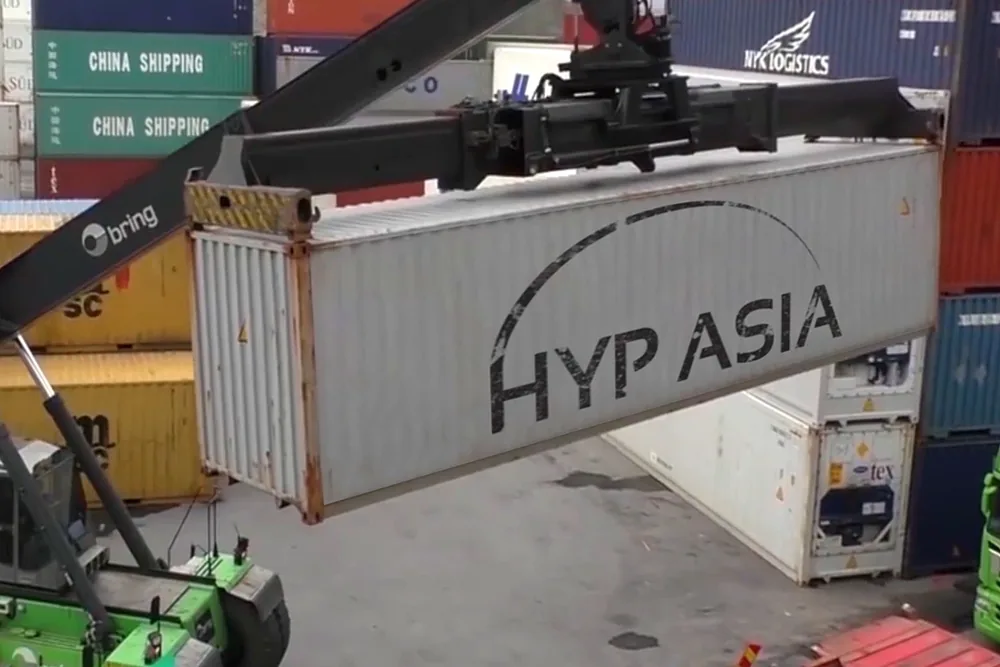
Every year, many wine, spirits and food producers contact buyers in Japan with the same message: “We are looking for an importer.” Most of these messages go unanswered. Not because the products are poor, but because the importer cannot see where the product fits, at what price, or for which customers. Finding an importer is the last step of the process, not the first.
Step 1 — Define your offer and validate its potential
Before contacting anyone, be precise about what you are bringing to the Japanese market:
- The product range: which references, in which formats, and which ones you will lead with. Two or three strong references are easier to place than a full catalogue.
- The price: your ex-cellar or ex-works price, and what it becomes on a Japanese shelf or wine list once transport, duties, consumption tax and every intermediary’s margin are added. Japanese buyers compare carefully within each price band.
- Labels and compliance: a Japanese-language label (usually added by the importer), certifications (organic, JAS where relevant, vegan…) and complete technical sheets — Japanese buyers expect precise, consistent information.
- Your credentials: awards, ratings, press coverage and existing export markets. Buyers want evidence that the product already performs elsewhere.
Then test this offer against reality. An experienced importer such as HYP-Asia.com can tell you quickly whether your range and prices have real potential with distributors, and which adjustments would make the difference.
Step 2 — Decide which type of distributor you need
The Japanese market rewards consistency and long-term commitment. Choose the channel before choosing the partner:
- On-trade: restaurants, hotels and bars, reached through specialist distributors.
- Trading companies and wholesalers: large houses that supply retail and on-trade nationwide.
- Department stores and specialist shops: depachika food halls, wine shops and delicatessens, which value quality and story.
- Supermarkets and convenience stores: very large volumes, strict listing processes and price discipline.
- E-commerce: online retailers and marketplaces, an important channel in Japan.
- Other channels: corporate gifting (ochugen and oseibo seasons), duty-free and travel retail.
Each channel calls for a different price structure, volume and level of marketing support. Knowing which one you target makes every conversation with an importer shorter and more productive.
Step 3 — Find the importer
Once your offer is defined and your target channel is clear, this is the easiest step. The simplest route is to work with a responsive importer that already has the network you need, such as HYP-Asia.com, which imports into Japan and many other Asian countries through its subsidiaries.
Come prepared with your price list, product sheets, labels and the channel you want to reach. With these three steps done in order, you are no longer one more producer “looking for an importer”, but a supplier with a clear proposition for the Japanese market.